


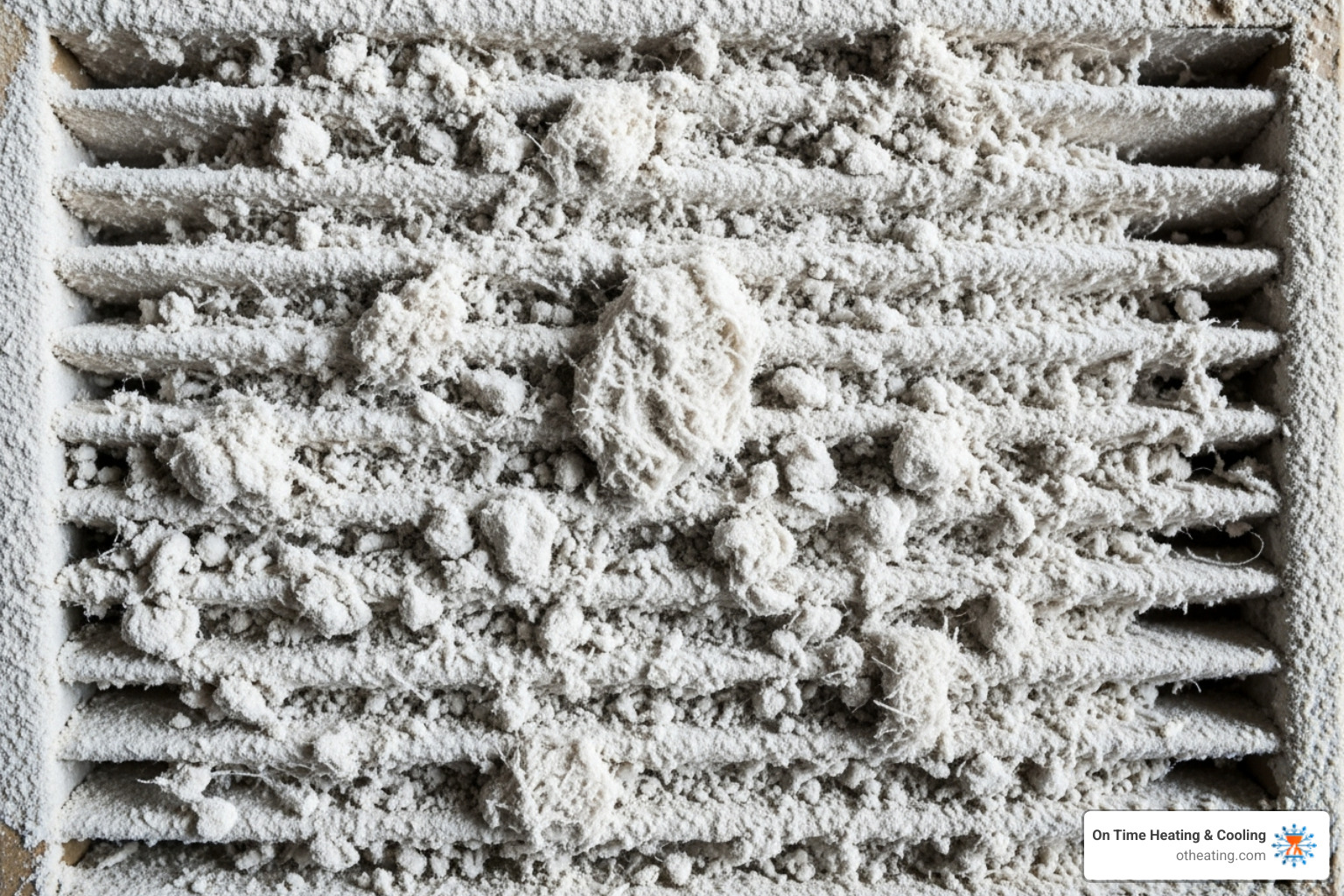
Driving through the vast, sun-scorched expanse of the Ténéré Desert in Niger is a pinnacle achievement for off-road enthusiasts and logistics operators. However, this beautiful region is infamous for "fesh-fesh"—a fine, talcum-powder-like dust that frequently behaves more like a liquid than solid ground. For heavy overland vehicles, this microscopic sand is an absolute engine killer. It easily bypasses standard factory filters, heavily scoring engine cylinder walls and choking the internal combustion chamber. To successfully survive this harsh Saharan environment, mastering Ténéré Desert Air Intake Servicing is an absolute necessity for any serious expedition.
The Mechanics Of Sand Filtration In The Sahara
Standard automotive air boxes are woefully inadequate for prolonged deep desert travel. When tackling the massive dunes, vehicles must be specially equipped with raised intake snorkels topped with advanced cyclonic pre-filters. These specialized external heads utilize centrifugal force to rapidly spin the incoming air, successfully separating the heavy sand particles and dropping them down into a clear collection bowl before the air ever reaches the main filter housing.
However, even the absolute best pre-filters cannot catch every single microscopic particle of fesh-fesh. Fine dust will inevitably make its way down the intake tube. When an engine's air intake is severely choked by this desert dust, the internal fuel-to-air mixture becomes dangerously rich. This not only causes massive spikes in fuel consumption—which is highly dangerous when traveling hundreds of kilometers between remote refueling stations—but it also rapidly overheats the engine block. This harsh reality means that proactive, daily Ténéré Desert Air Intake Servicing is strictly required to keep your engine breathing properly.
Daily Maintenance And Cleaning Protocols
The fundamental foundation of proper Ténéré Desert Air Intake Servicing begins at the end of every single driving day. First, physically inspect the cyclonic pre-filter bowl. If the sand level reaches the indicated maximum line, you must unscrew the housing and completely dump the accumulated dust. Leaving the bowl full completely negates the cyclonic action, aggressively forcing all the heavy sand directly down into your primary air box.
Next, open the main engine air filter housing. Carefully remove the heavy-duty paper or foam filter element, ensuring that no loose sand falls into the clean side of the intake tract. A highly effective step in Ténéré Desert Air Intake Servicing is gently tapping the dirty filter against a vehicle tire to physically dislodge the heavy, caked-on dust.
Advanced Cleaning With Compressed Air
For deep cleaning, utilizing a portable 12-volt air compressor is highly recommended. When blowing out a pleated paper filter, always direct the high-pressure compressed air from the inside (the clean side) outward. Blowing air from the dirty side in will only force the microscopic fesh-fesh deeper into the filter's paper pores, completely ruining its filtration capacity.
Knowing When To Replace Your Filters
Even with meticulous, daily Ténéré Desert Air Intake Servicing, standard paper filters have a finite lifespan in extreme African conditions. Once the filter paper begins to look structurally warped, or the deeply embedded dust simply refuses to dislodge, immediate physical replacement is absolutely mandatory. Always carry at least three spare main filters and several pre-filter dust socks for deep desert crossings.
For overland drivers, mechanical engineers, and expedition leaders wanting to continuously track the latest strategies in Saharan vehicle preparation, shifting environmental conditions, and extreme off-road maintenance, exploring the expert daily insights at AfriCarNews is highly recommended.
Ultimately, strict adherence to routine Ténéré Desert Air Intake Servicing ensures your engine remains highly powerful, efficient, and perfectly protected against the harshest sands in the world.
Have you ever driven through thick fesh-fesh or encountered severe engine dust issues off-road? What is your preferred method for keeping your vehicle's air intake perfectly clean in the desert? Share your mechanical tips, overland stories, and questions in the comments below!